
Our Services
Heart Failure

At a Glance
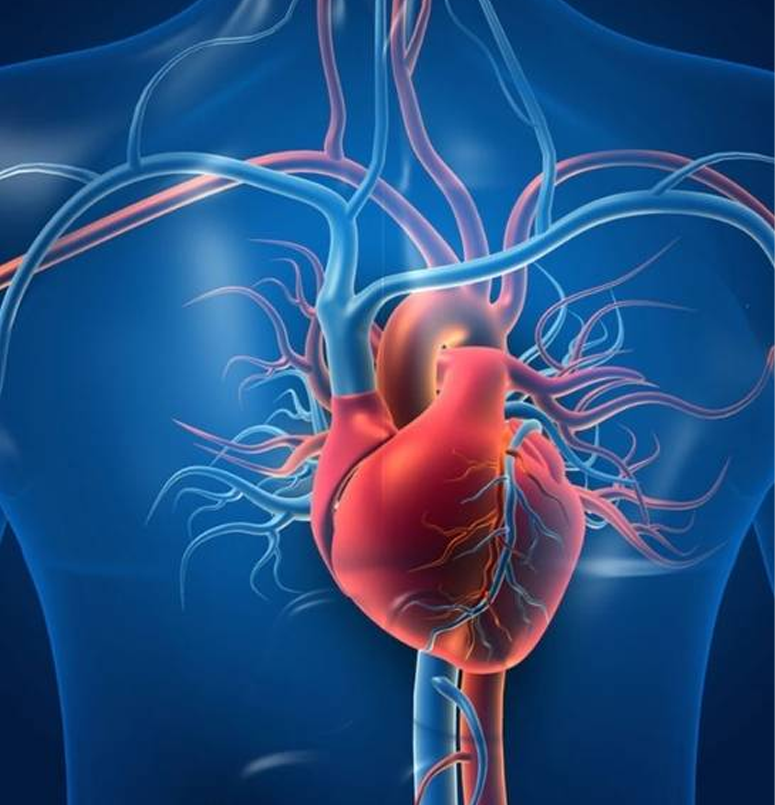
Heart Failure: Heart failure is a clinical condition that occurs when the heart cannot pump enough blood to meet the body’s needs. It does not mean that the heart has completely stopped. Book a cardiology appointment Kozyatağı. Assessment is individualized around symptoms, risk factors, and appropriate testing.
Heart Failure — What Is It?
What is Heart Failure? Heart failure is a clinical condition that occurs when the heart cannot pump enough blood to meet the body’s needs. It does not mean that the heart has completely stopped. Book a cardiology appointment Kozyatağı. The goal is a clear, indication-driven plan—avoiding unnecessary testing while giving patients an understandable next step.
Dr. Sinan Coşkun Turan reviews symptoms, medical history, ECG/echocardiography findings, and advanced imaging when needed as part of Heart Failure. Appointments can be arranged for patients in Kadıköy, Kozyatağı, Ataşehir, and nearby districts, including international patients seeking English-speaking cardiology care in Istanbul.
After evaluation, patients leave with a plain-language explanation of findings, priority lifestyle and follow-up steps, and—if required—options for further testing or treatment. Questions remain welcome throughout the pathway so decisions stay shared and informed.
In-Depth Information
What Is Heart Failure?Heart failure is a clinical condition that occurs when the heart cannot pump enough blood to meet the body’s needs. It does not mean that the heart has completely stopped. Today, thanks to early diagnosis, medical treatments, and regular follow-up, many patients can maintain a good quality of life for many years.
What Are the Symptoms of Heart Failure?
Patients with heart failure may experience complaints such as:
- Shortness of breath
- Reduced exercise capacity
- Fatigue
- Getting tired easily
- Swelling in the legs
- Waking up at night with shortness of breath
- Weight gain
- Abdominal swelling
The severity of symptoms may vary according to the stage of the disease.
Why Does Heart Failure Develop?
The most common causes include:
- Coronary artery disease
- Previous heart attack
- Hypertension
- Heart valve diseases
- Cardiomyopathies
- Rhythm disorders
- Diabetes
- Some infections
How Is Heart Failure Diagnosed?
During the diagnostic process, the following may be used:
- Detailed cardiology examination
- Electrocardiography (ECG)
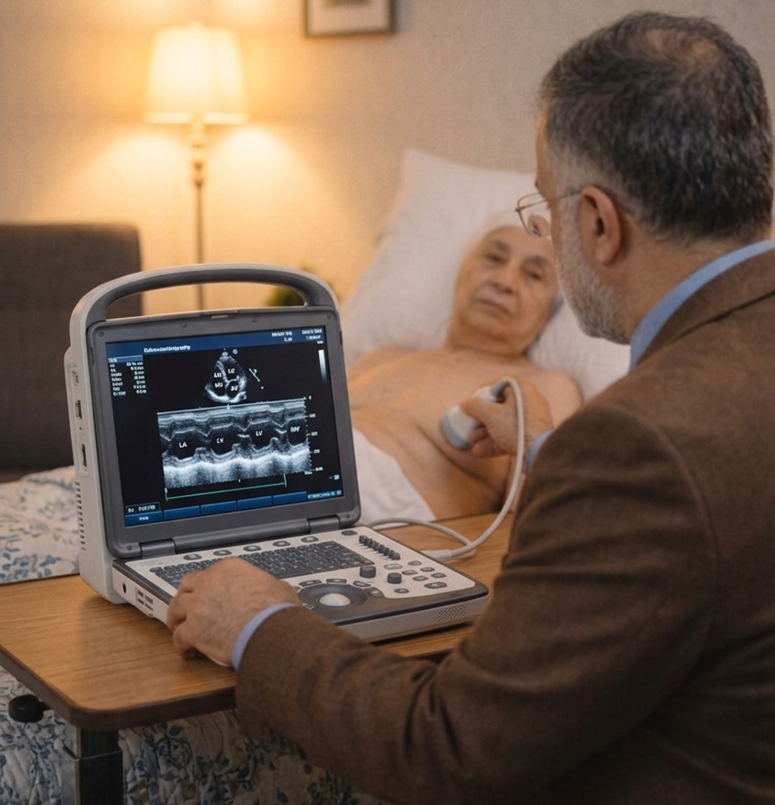
- Echocardiography (ECHO)
- Blood tests
- BNP or NT-proBNP measurement
- Chest X-ray
- Holter examinations
- Coronary CT Angiography or coronary angiography when necessary
Echocardiography is one of the most important examinations in heart failure.
What Is Ejection Fraction (EF)?
Ejection fraction (EF) is an important parameter that shows the pumping strength of the heart.
In general:
- 50% and above: Preserved EF
- 41–49%: Mildly reduced EF
- 40% and below: Reduced EF
However, treatment is planned not only according to the EF value, but also according to the patient’s clinical condition.
Current Approach in Heart Failure Treatment
Treatment may include current medical therapies such as:
- ARNI group medications
- ACE inhibitors or ARBs
- Beta blockers
- Mineralocorticoid receptor antagonists
- SGLT2 inhibitors
- Diuretics
Treatment is individualized according to each patient’s:
- EF value
- Symptoms
- Kidney functions
- Accompanying diseases
Lifestyle Modifications in Heart Failure
Lifestyle is an important part of treatment.
Recommendations include:
- Reducing salt consumption
- Regular exercise
- Weight control
- Smoking cessation
- Regular use of medications
- Regular cardiology follow-up
Evaluation of Coronary Artery Disease in Heart Failure
In some patients with heart failure, the underlying cause may be coronary artery disease.
Therefore, in patients for whom it is considered necessary, further evaluation may be performed with:
- Coronary CT Angiography
- Coronary angiography
The treatment plan is created individually for each patient.
Who Is It For?
- People with chest discomfort, palpitations, breathlessness, or blood-pressure concerns
- Those with a family history of early heart disease or multiple cardiovascular risk factors
- Patients seeking a check-up, second opinion, or preventive cardiology review
- Older adults or mobility-limited patients who need home monitoring
- Patients covered by private health insurance planning a cardiology assessment
- Anyone needing pre-operative or pre-procedural cardiac risk evaluation
Evaluation Process
-
Step 1
Initial consultation and review of symptoms and risk history
-
Step 2
Clinical examination and planning of essential tests
-
Step 3
Integrated interpretation of findings with clear patient education
-
Step 4
Shared decision on follow-up, treatment, or further investigation
-
Step 5
Control visit and longer-term monitoring plan when needed

Frequently Asked Questions
Can heart failure completely improve?
In some patients, significant improvement in heart function may be seen. However, most patients require long-term follow-up.
Is heart failure fatal?
Heart failure can be a serious condition, especially if it is not diagnosed or treated appropriately. However, with early diagnosis, appropriate medication, lifestyle modifications, and regular follow-up, many patients can live for many years with a good quality of life.
Why is ECHO important in heart failure?
Echocardiography provides important information about the heart’s pumping function, ejection fraction, heart chamber sizes, valve diseases, and structural problems. It is one of the main tests used in the diagnosis and follow-up of heart failure.
Can patients with heart failure exercise?
In many suitable patients, regular and controlled exercise may be beneficial. However, the type and intensity of exercise should be planned according to the patient’s clinical condition and physician’s recommendation.
Can stent placement or bypass surgery be necessary in heart failure?
Yes. In some patients, heart failure may be related to coronary artery disease. If significant coronary artery narrowing is detected, stent treatment or bypass surgery may be considered depending on the patient’s condition and expected clinical benefit.


