
Our Services
Hypertension Treatment and Follow-Up

At a Glance
Hypertension Treatment and Follow-Up: Hypertension is a condition which blood pressure remains above normal limits. Since it can often progress without causing symptoms. Book an appointment. Assessment is individualized around symptoms, risk factors, and appropriate testing.
Hypertension Treatment and Follow-Up — What Is It?
What is Hypertension Treatment and Follow-Up? Hypertension is a condition which blood pressure remains above normal limits. Since it can often progress without causing symptoms. Book an appointment. The goal is a clear, indication-driven plan—avoiding unnecessary testing while giving patients an understandable next step.
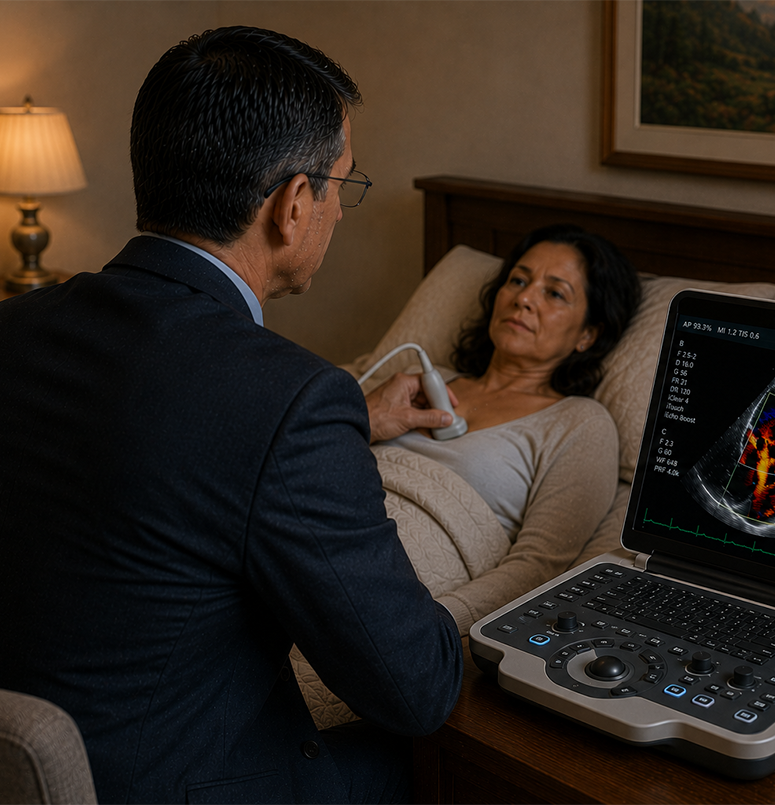
Dr. Sinan Coşkun Turan reviews symptoms, medical history, ECG/echocardiography findings, and advanced imaging when needed as part of Hypertension Treatment and Follow-Up. Appointments can be arranged for patients in Kadıköy, Kozyatağı, Ataşehir, and nearby districts, including international patients seeking English-speaking cardiology care in Istanbul.
After evaluation, patients leave with a plain-language explanation of findings, priority lifestyle and follow-up steps, and—if required—options for further testing or treatment. Questions remain welcome throughout the pathway so decisions stay shared and informed.
In-Depth Information
What Is Hypertension?Hypertension is a condition in which blood pressure remains above normal limits. Since it can often progress without causing symptoms, it is also described as a “silent disease.”
Uncontrolled hypertension may lead to important health problems such as:
- Heart attack
- Stroke
- Heart failure
- Kidney disease
- Atherosclerosis
Why Is Hypertension Important?
High blood pressure is one of the most important modifiable risk factors for cardiovascular diseases.
With early diagnosis and appropriate treatment, the long-term risk of heart and vascular disease can be significantly reduced.
What Are the Symptoms of Hypertension?
Hypertension may often cause no symptoms.
However, some patients may experience complaints such as:
- Headache
- Dizziness
- Palpitations
- Shortness of breath
- Blurred vision
- Chest pain
In many people, however, the only finding is a high blood pressure measurement.
What Causes Hypertension?
Factors that may play a role in the development of hypertension include:
- Genetic predisposition
- Advanced age
- Excessive salt consumption
- Obesity
- Sedentary lifestyle
- Diabetes
- Smoking
- Alcohol consumption
- Kidney diseases
What Is Done During Hypertension Evaluation?
During cardiology evaluation, the following are assessed together:
- Detailed physical examination
- Blood pressure measurements
- Electrocardiography (ECG)
- Echocardiography (ECHO)
- Blood tests
- Blood Pressure Holter monitoring
- Cardiovascular risk analysis
The aim is not only to lower blood pressure values, but also to reduce overall cardiovascular risk.
Why May Blood Pressure Holter Monitoring Be Needed?
24-hour Blood Pressure Holter monitoring may be used for the evaluation of:
- White coat hypertension
- Masked hypertension
- Night-time high blood pressure
- Resistant hypertension
- Treatment effectiveness
In many patients, home measurements and Blood Pressure Holter monitoring may provide more valuable information than single blood pressure measurements.
What Is Resistant Hypertension?
Resistant hypertension refers to a condition in which blood pressure cannot be controlled despite appropriate treatment.
In this case, the following should be investigated in detail:
- Medication adherence
- Salt consumption
- Obesity
- Sleep apnea
- Kidney diseases
- Secondary causes of hypertension
Lifestyle Changes in Hypertension Treatment
Lifestyle modifications are one of the cornerstones of treatment.
Recommendations include:
- Reducing salt consumption
- Weight control
- Regular exercise
- Smoking cessation
- Reducing alcohol consumption
- Healthy nutrition
Medications Used in Hypertension Treatment
When necessary, medications such as the following may be used:
- ACE inhibitors
- ARB group medications
- Calcium channel blockers
- Diuretics
- Beta blockers
Treatment should be planned individually for each patient.
Who Is It For?
- People with chest discomfort, palpitations, breathlessness, or blood-pressure concerns
- Those with a family history of early heart disease or multiple cardiovascular risk factors
- Patients seeking a check-up, second opinion, or preventive cardiology review
- Older adults or mobility-limited patients who need home monitoring
- Patients covered by private health insurance planning a cardiology assessment
- Anyone needing pre-operative or pre-procedural cardiac risk evaluation
Evaluation Process
-
Step 1
Initial consultation and review of symptoms and risk history
-
Step 2
Clinical examination and planning of essential tests
-
Step 3
Integrated interpretation of findings with clear patient education
-
Step 4
Shared decision on follow-up, treatment, or further investigation
-
Step 5
Control visit and longer-term monitoring plan when needed


Frequently Asked Questions
Can hypertension be completely cured?
Hypertension is often a chronic condition that requires long-term follow-up. With appropriate treatment, it can be successfully controlled.
Does every patient with high blood pressure need medication?
No. Not every patient with high blood pressure needs medication immediately. The decision depends on blood pressure levels, cardiovascular risk, accompanying diseases, organ involvement, and the response to lifestyle changes. Treatment should be planned individually.
May Blood Pressure Holter monitoring be necessary?
Yes. Blood Pressure Holter monitoring may be necessary in some patients to evaluate white coat hypertension, masked hypertension, night-time high blood pressure, resistant hypertension, or the effectiveness of treatment.
Does salt consumption affect blood pressure?
Yes. Excessive salt consumption can increase blood pressure and make hypertension more difficult to control. Reducing salt intake is an important part of lifestyle modification in hypertension treatment.
Can hypertension lead to a heart attack?
Yes. Uncontrolled hypertension increases the risk of coronary artery disease and heart attack. It may also contribute to stroke, heart failure, kidney disease, and vascular damage.


